
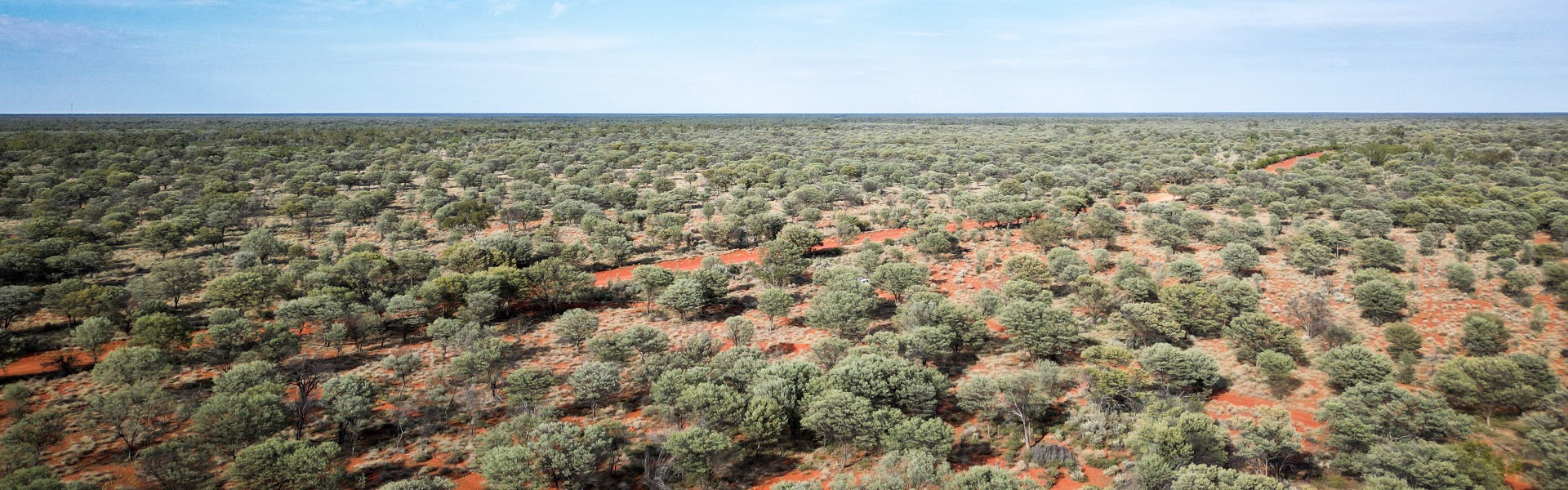
No one can determine whether a human-induced regeneration (HIR) project is regenerating by eye-balling a handful of satellite images. That is not robust evidence.
The ANU Carbon Imagery Explorer and associated report released yesterday draw heavily on selected satellite imagery and national-scale datasets to repeat longstanding criticisms of HIR projects.
Their spokespeople have gone further, describing regenerating woodlands as “phantom forests”, a claim amplified in recent media coverage.
But the central premise is flawed. HIR projects are not required to have achieved 100 per cent forest cover today, nor are they required to achieve 100 per cent forest cover at maturity. No HIR project has yet reached its forest cover assessment date. For many early projects, that assessment is not due until 2030.
These criticisms are not new. HIR and the broader ACCU Scheme have been subject to extensive scientific, regulatory and independent scrutiny, including the 2022 Independent Review of Australian Carbon Credit Units led by Professor Ian Chubb, review by the Australian Academy of Science, six HIR gateway reviews undertaken by Professor Cris Brack, enhanced regulatory oversight and audit requirements, and Australian National Audit Office scrutiny of the Clean Energy Regulator.
The integrity of HIR should be judged against the evidence and the requirements of the method, not against what can be inferred from a small selection of satellite images.
In response, we have re-released this video from 2023 showing what satellite imagery at different resolutions can detect, and what it can miss when relied upon without adequate ground-truthing.
It includes imagery at the same sorts of resolutions relied on by the academics and media, including 10 x 10 metre and 0.5 metre imagery.
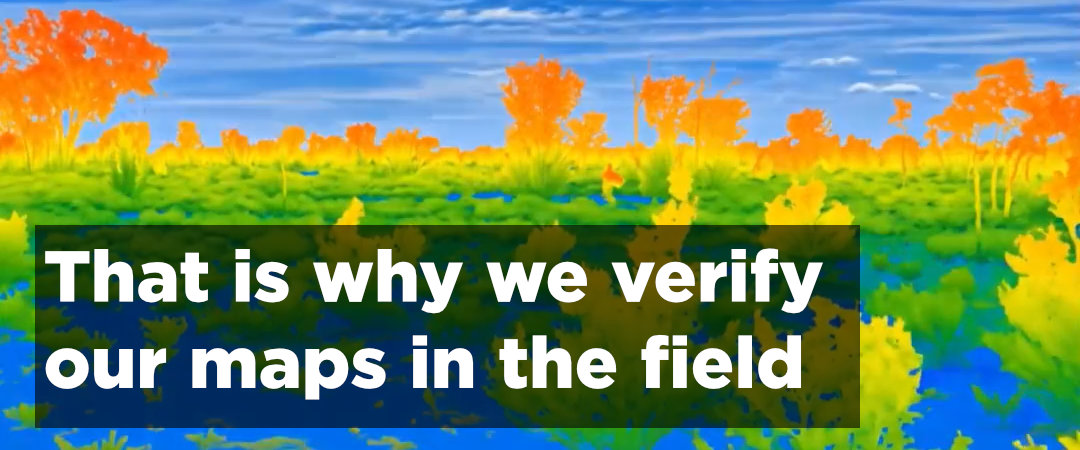
Climate Friendly uses multiple sources of evidence to monitor regeneration, including high-resolution satellite imagery, LiDAR and field data.
The question is not whether satellite imagery is useful. It is whether the technology, resolution, interpretation and ground validation are fit for the conclusions being drawn.
Integrity is central to Climate Friendly’s work. Our projects are monitored using multiple lines of evidence and are subject to regulatory gateways designed to test whether regeneration is occurring as required.
Importantly, if areas within an HIR project are not regenerating as required, they are removed from the eligible area and crediting is adjusted accordingly.
Since 2024, gateway reviews have been completed for 23 HIR projects serviced by Climate Friendly. Across those assessments, around 5 per cent of the assessed area, on average, was removed, while around 95 per cent was found to be regenerating and meeting the relevant gateway requirements.
That is evidence that the assurance framework is working as intended: testing regeneration, identifying areas that do not meet the requirements, removing them and ensuring crediting is adjusted to reflect the abatement achieved.
Land-sector abatement is critical to Australia’s pathway to net zero.
There is a legitimate debate to be had about the role of offsets in helping other sectors of the economy decarbonise. Let’s have that debate on its merits, rather than seeking to undermine forest regeneration projects that are delivering the carbon drawdown Australia also needs.
Confidence in genuine abatement matters to our land manager and Traditional Owner partners, and to the investment needed to scale land-sector carbon drawdown.
So, over the coming weeks, Climate Friendly, our partners and the people working across these landscapes will bring some of these so-called “phantom forests” to life.
You’ll see the landscapes. You’ll see the regenerating trees. And you’ll hear directly from the people managing these projects about how changes in land management have lifted suppression and allowed native forests and woodlands to regenerate.
The forests aren’t real?
Phantom forests?
Tell that to the trees.