
Australia needs coordinated action across industrial sectors, the land sector, compliance and voluntary markets to meet its emissions reduction targets, with Climate Friendly calling for policy stability and connectivity across the country’s climate framework.
In two recent policy submissions, Climate Friendly has urged the Australian Government to retain the core architecture of the Safeguard Mechanism while establishing a modern, government-backed successor to Climate Active.
Together, the Safeguard Mechanism, Australian Carbon Credit Unit (ACCU) Scheme, mandatory climate reporting and voluntary action form an interconnected system. Changes to one part can affect investment incentives, market confidence and emissions reduction outcomes across the wider economy.
“Meeting Australia’s climate targets will require every part of the economy to contribute,” said Climate Friendly CEO Skye Glenday. “We need stable and connected policy settings that strengthen onsite industrial decarbonisation, support land-sector action and give organisations a credible framework for going further through voluntary action.”
Data from the early years of operation indicate that the Safeguard Mechanism is broadly operating as intended. Climate Friendly supports retaining its core architecture and current 2030 settings, while addressing gaps and creating a clear, predictable pathway beyond 2030.
Industrial facilities should continue to prioritise onsite emissions reduction wherever it is technically and economically feasible. Australian Carbon Credit Units, Safeguard Mechanism Credits and other flexibility measures can complement this work, particularly while complex industrial projects are financed, approved and delivered, but should not replace credible onsite investment.
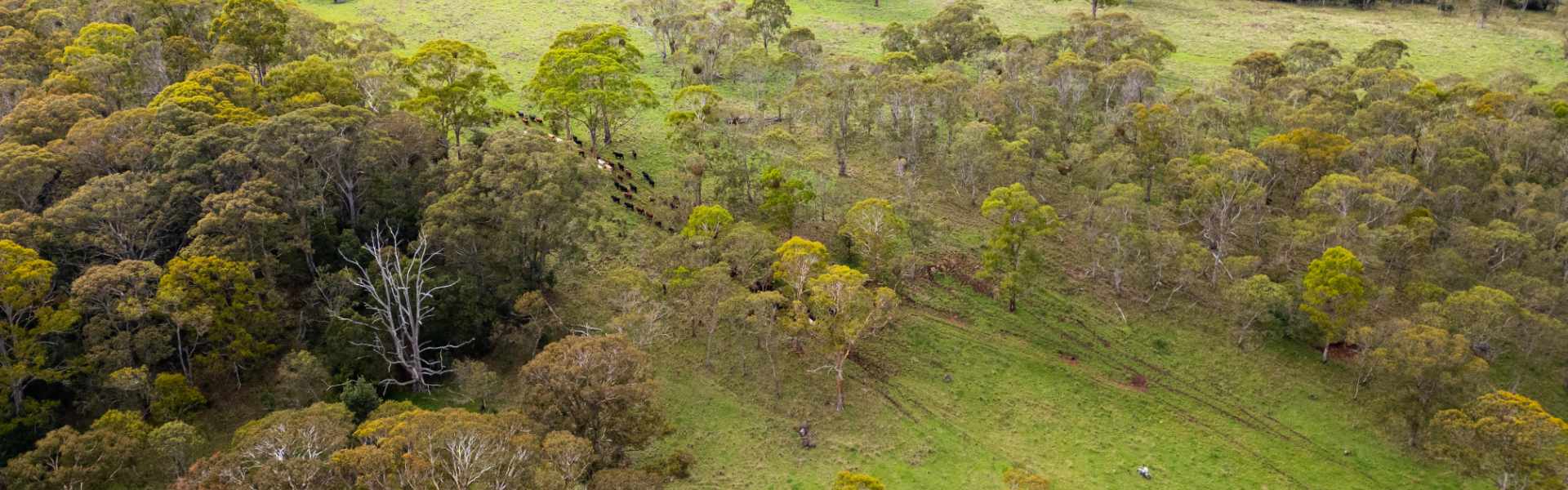
The land sector has a critical role to play. Agriculture alone accounts for around 17 per cent of national emissions, making it both a source of emissions reduction and a key partner in supporting economy-wide decarbonisation. Carbon farming is currently Australia’s most scalable source of carbon removals, able to deliver the critical drawdown needed alongside industrial emissions reduction, while supporting productive agricultural enterprises rather than displacing them. Unlocking that potential will require greater investment, stable demand signals and stronger policy support to overcome long project development timelines, high upfront costs and regulatory complexity.
While compliance frameworks such as the Safeguard Mechanism and mandatory reporting remain important drivers of action, Climate Friendly is calling for Climate Active to be replaced with a modern, government-maintained and auditable voluntary framework.
Mandatory reporting requirements determine what covered organisations must disclose, but they do not provide a national framework for substantiating voluntary climate claims or cover every organisation, product, service and supply chain.
A reformed Climate Active could fill this gap by establishing modern and consistent rules for measuring and reporting emissions, demonstrating reduction performance, publishing transition plans and transparently explaining carbon credit use.
This should move beyond past “carbon neutral” terminology and separate an organisation’s absolute emissions and reductions from additional actions used to address residual emissions. Qualified third parties could provide assurance or certification, while government maintains the overarching rules, methodologies and guidance.
“Compliance and voluntary action should not be treated as competing approaches,” Glenday said. “The Safeguard Mechanism can drive action from major industrial facilities, while a reformed Climate Active framework can support credible action across organisations, products and supply chains that sit outside direct compliance obligations.”
Without a nationally consistent replacement, there is a risk of inconsistent private standards, fragmented claims and greater uncertainty for consumers and organisations seeking to understand or communicate legitimate climate action. A common national framework would provide strong foundations for credible climate claims, support voluntary action across the economy and complement Australia’s mandatory climate reporting requirements.
Industrial decarbonisation, carbon farming and voluntary climate action should be treated as complementary pathways.
Australia’s climate framework should expand the total pool of credible emissions reduction opportunities rather than shift support from one part of the economy to another. That means maintaining stable Safeguard Mechanism settings, strengthening onsite action, enabling investment in land-sector projects and establishing a trusted framework for organisations choosing to act beyond their regulatory obligations.
With clear, connected and durable policy settings, Australia can mobilise investment across the economy and create a stronger path to its 2035 emissions reduction targets.
You can view our submissions to government here: Document Library